



Disco – Timeless Club Music with Character
Disco is a central part of modern dance music and, at the same time, a genre with surprising depth. On StompFM, disco isn't about fleeting nostalgia – it's about music that has stood the test of time and continues to inspire generations.
Its distinctive four-on-the-floor beat, driving basslines and elegant arrangements keep disco sounding fresh and relevant to this day.
Many of the elements we now take for granted in house and dance music productions have their roots in disco.

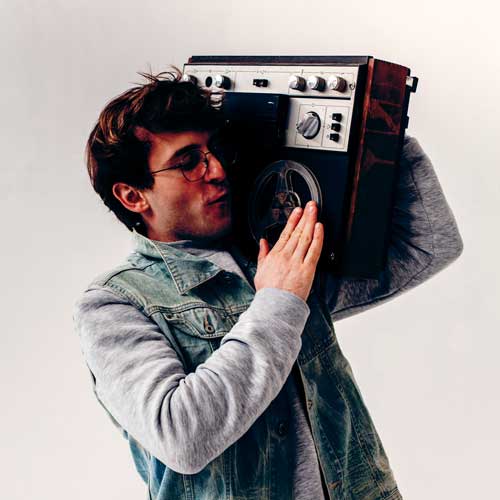
Disco emerged from funk and soul and was further developed in recording studios from an early stage.
Strings, brass instruments and rhythm sections were carefully combined to create a sound that was both energetic and accessible.
It's precisely this balance that makes disco so well suited to radio. The music draws you in without being overpowering, often revealing its full impact and charm only after several bars.
In our disco programming, we bring together well-known classics and carefully selected tracks that go beyond the mainstream.
It's not just about recognising familiar songs – it's about creating a unique atmosphere and capturing that unmistakable groove that makes disco so special.
Disco works particularly well on the radio because it gets you moving while still giving you room to relax. It provides the perfect soundtrack without being overpowering, creating an enjoyable listening experience filled with positive energy and great vibes.
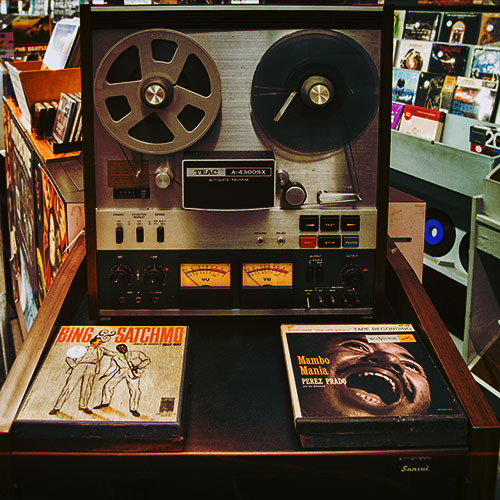
This section is for everyone who wants to rediscover disco or explore its sound in greater depth.
Disco is a genre in its own right, one that laid the foundations for much of today's club culture and truly deserves a permanent place in modern radio programming.
The origins of disco music are closely linked to the social, cultural and technological developments of the 1960s and 1970s. Disco didn't emerge overnight. Instead, it gradually evolved from a combination of different musical influences, dance cultures and changes in society. At its heart, disco was music made for dancing, characterised by rhythmic beats, catchy melodies and a strong emphasis on groove and bass.
The roots of disco can be traced back to the late 1960s in the United States, particularly in major cities such as New York and Philadelphia. During this period, people – especially members of marginalised communities, including African American, Latino and LGBTQ+ communities – were looking for new ways to express themselves and come together. Clubs became safe spaces where music, dancing and freedom took centre stage. DJs began mixing records to create seamless transitions between tracks, allowing people to dance continuously without interruptions. This approach laid the foundations for modern DJ culture, which remains a central part of disco music to this day.
Musically, disco developed from a blend of different genres, including funk, soul, R&B, Latin rhythms and even elements of psychedelic rock. Groups such as Sister Sledge, Chic and The Trammps embraced groovy basslines, driving drum rhythms and rich orchestral arrangements featuring strings, brass instruments and keyboards. Philadelphia gave rise to the famous Philadelphia Sound, particularly known for its orchestral soul arrangements, which later became one of disco's defining characteristics. Tracks were deliberately arranged to make the greatest possible impact on the dancefloor – often featuring extended running times, repetitive musical patterns and a steady, clearly defined bass and drum rhythm.
Disco's rise to mainstream popularity began in the early 1970s. Clubs such as the legendary Studio 54 in New York became icons of disco culture, bringing together fashion, glamour, extravagance and music. The disco era was not just a musical revolution but also an important social phenomenon. It provided opportunities for self-expression, social interaction and challenging traditional social norms. At the same time, technological developments helped shape the genre. The introduction of 12-inch vinyl singles, alongside studio techniques such as multitrack recording and echo effects, gave DJs and producers greater creative freedom when mixing and producing music.
Disco quickly spread around the world. European artists adopted many American influences while adding their own distinctive elements, particularly electronic sounds. Groups such as ABBA and Boney M. helped turn disco into a global phenomenon. By the late 1970s, disco had reached the height of its popularity, partly thanks to films such as Saturday Night Fever, which brought both the music and its associated dance culture into the international spotlight.
The disco era as a dominant musical movement came to an end in the early 1980s, when a backlash emerged against what critics saw as the genre's excessive commercialisation. Nevertheless, disco has left an extraordinary legacy that continues to influence music today. Elements of disco's sound and style can be found in modern genres such as house, dance-pop and electronic music. The concept of a continuous dance beat, the art of DJ mixing and the idea of music as a shared experience on the dancefloor all have unmistakable roots in disco.
1960s – The Roots of Disco
- Late 1960s: Private dance parties begin to emerge in clubs across New York, Philadelphia and Chicago, particularly within African American, Latino and LGBTQ+ communities. The music is mainly funk, soul and rhythm & blues.
- Innovations in DJ Techniques: DJs begin blending vinyl records seamlessly, creating a continuous flow of music that keeps people dancing without interruption. This lays the foundations for modern DJ culture.
- Philadelphia Sound: Producers such as Gamble & Huff develop a rich, orchestral soul sound that proves particularly popular on the dancefloor.
Early 1970s – The First Disco Hits
- 1971–1973: Early commercially successful tracks paving the way for disco emerge, including “Love Train” by The O’Jays and “TSOP (The Sound of Philadelphia)” by MFSB.
- The Rise of Disco Culture: Clubs such as the legendary The Loft in New York establish themselves as meeting places for music lovers, LGBTQ+ communities and dance enthusiasts.
- Technological Advances: The introduction of 12-inch vinyl singles allows for longer tracks with improved sound quality, specifically suited to club sound systems and dancefloors.
Mid to Late 1970s – The Disco Explosion
- 1974–1977: The orchestral disco sound breaks into mainstream pop music. Artists such as Chic, Donna Summer, Bee Gees and Sister Sledge help define the classic disco groove: a steady beat, prominent basslines and rich musical arrangements.
- 1977: The film Saturday Night Fever, featuring a hugely successful soundtrack dominated by the Bee Gees, becomes an international sensation. Disco turns into a global phenomenon.
- Studio 54: The famous New York nightclub becomes a symbol of glamour, extravagance and the fusion of music, fashion and lifestyle.
- Technological Innovations: Multitrack recording, reverb and echo effects give DJs and producers new creative possibilities for producing distinctive sounds and original mixes.
Late 1970s – International Expansion
- Europe: Groups such as ABBA from Sweden and Boney M. from Germany combine disco with pop influences, helping the genre achieve worldwide popularity.
- Latin and Funk Influences: Latin rhythms, funky basslines and brass arrangements add further depth, variety and energy to the disco sound.
- Club Culture: Discotheques become important social meeting places for youth culture, the fashion scene and LGBTQ+ communities.
Late 1970s to Early 1980s – The Decline
- 1979: The event known as Disco Demolition Night in Chicago becomes a symbol of the cultural and commercial backlash against disco.
- Declining Popularity: Disco is increasingly criticised for becoming overly commercialised, forcing many DJs and clubs to adapt to changing musical tastes.
- The Transition to House and Dance: Essential elements of disco – its steady beat, DJ mixing techniques and focus on the dancefloor – are later adopted by genres such as house, electro, dance-pop and eventually EDM.
The Legacy of Disco
- Today: Disco continues to influence countless modern music genres. Artists and producers still draw on the basslines, rhythms, string arrangements and DJ techniques that originated during the disco era.
- Cultural Significance: Disco remains a symbol of freedom, inclusion, dance culture and celebrating life on the dancefloor. It is music that brings people together and transforms the dancefloor into a place of self-expression, joy and unforgettable experiences.